









FAQs About Investment Banking Due Diligence
What is due diligence in investment banking?
Due diligence in investment banking is the process of evaluating a company, transaction, or investment opportunity before a deal closes. This includes reviewing financial statements, legal exposures, operational risks, regulatory compliance concerns, and reputational issues tied to management or counterparties.
Investment banks, private equity firms, and institutional investors use diligence to validate assumptions before capital is deployed. Investigative reviews may also complement traditional financial due diligence by uncovering hidden risks not visible in accounting records alone. Learn more about Alias’s due diligence and investigative support services.
What are the main types of due diligence in M&A?
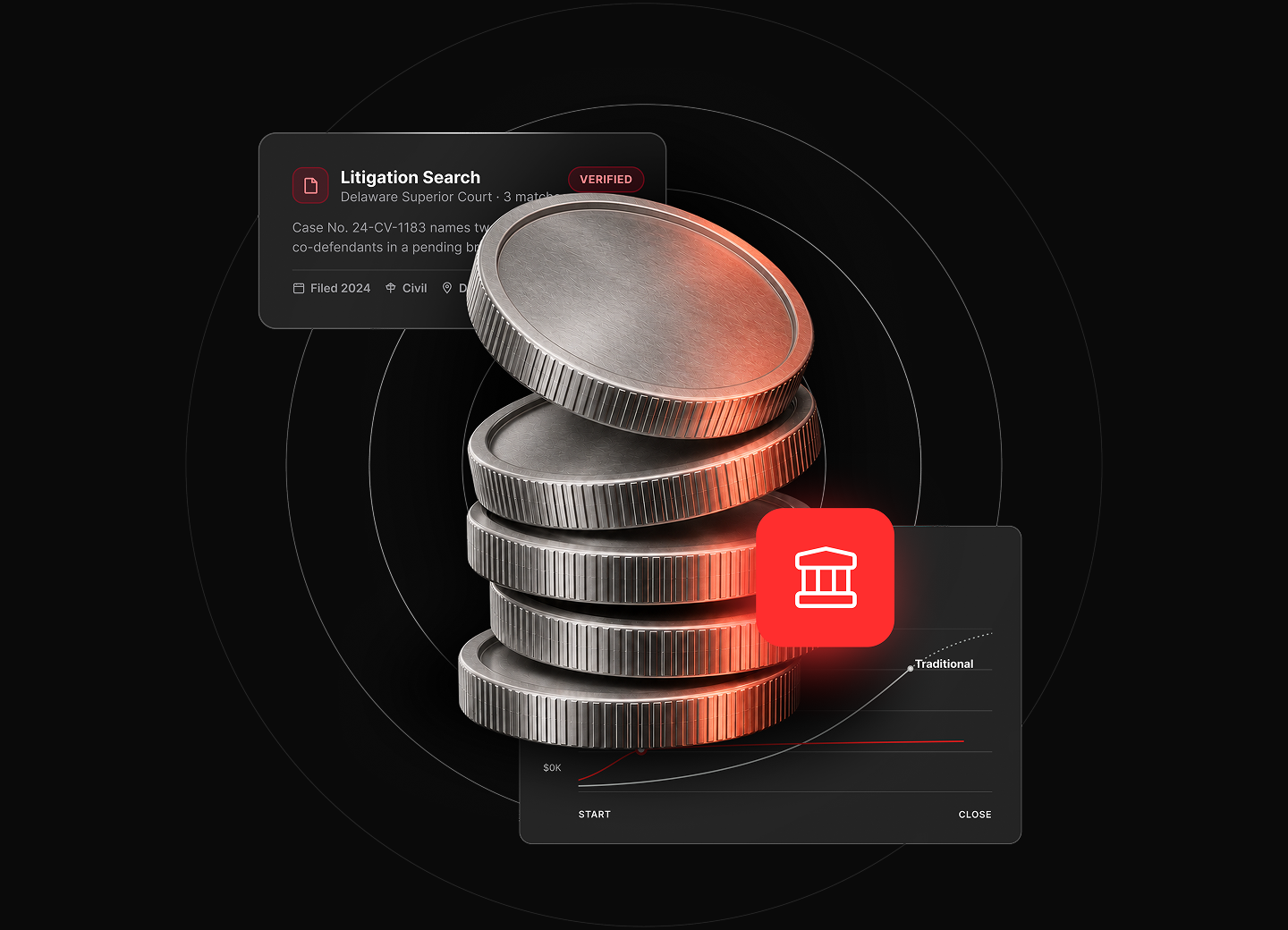
The primary types of MA due diligence include financial due diligence, legal due diligence, operational due diligence, commercial due diligence, tax due diligence, IT diligence, ESG assessments, and investigative diligence. Financial reviews focus on cash flow and performance, while investigative diligence examines reputational exposure, sanctions risk, litigation history, and ownership structures.
Together, these workstreams provide investment bankers and potential buyers with a more complete understanding of risk before completing a transaction. Alias Intelligence supports each phase through tailored investigative services.
How long does investment banking due diligence take?
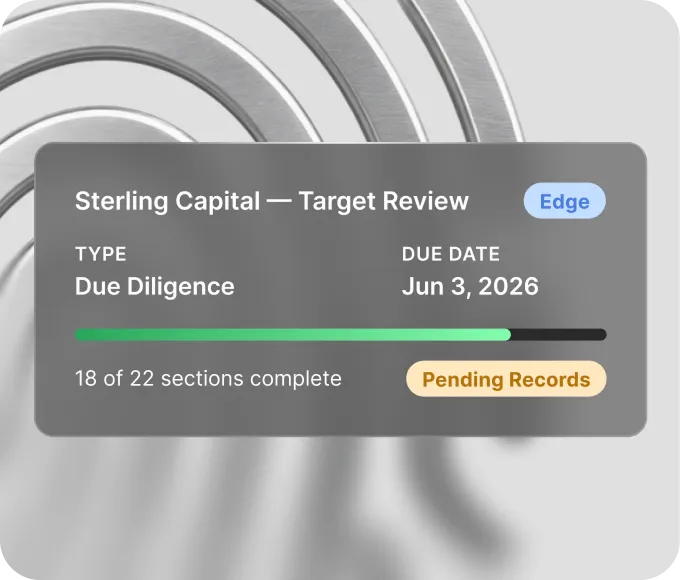
The diligence process timeline depends on transaction complexity, industry, and jurisdictional scope. Standard diligence reviews may take several weeks, while cross-border deals or transactions involving regulatory scrutiny can take several months. Investigative due diligence is often completed more quickly to support fast-moving deal timelines.
Alias Intelligence typically delivers investigative reports within three to seven business days, with expedited options available for urgent matters such as IPOs, financing events, or competitive auction processes.
How much does investment banking due diligence cost?
Due diligence costs vary based on deal size, geographic scope, and the level of investigative support required. Financial and legal reviews are typically priced separately from investigative diligence services. More complex engagements involving cross-border research, source inquiries, or sanctions reviews generally require broader scope and resources. Alias Intelligence offers flexible pricing structures designed for investment banks, private equity firms, and legal teams managing high-volume or time-sensitive transactions. Costs are aligned to the level of diligence needed for the transaction.
What’s the difference between buy-side and sell-side due diligence?
Buy-side due diligence is conducted by a potential buyer to evaluate risks before acquiring a company, asset, or investment stake. Sell-side diligence is initiated by the seller before going to market to identify and address issues that could impact valuation or negotiations.
Investment bankers often coordinate both processes during mergers, acquisitions, and capital raises. Investigative diligence can support either side by validating disclosures, reviewing reputational concerns, and uncovering hidden risks that may affect deal outcomes.
What is investigative due diligence and how does it differ from financial due diligence?
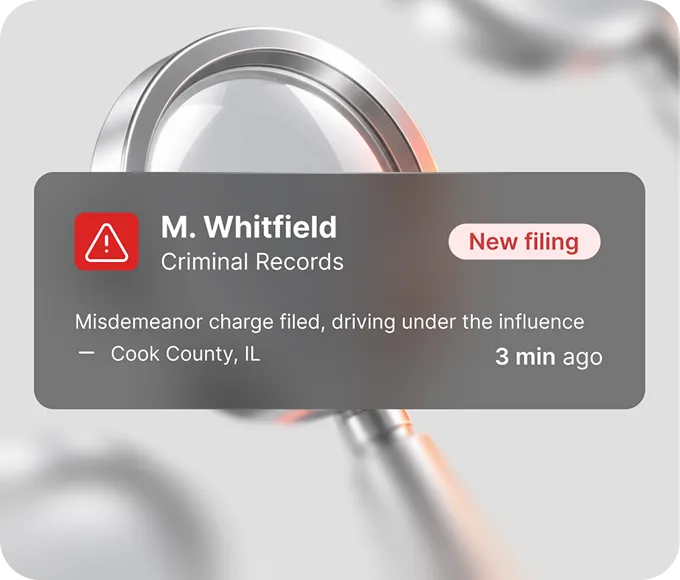
Financial due diligence focuses on accounting accuracy, financial statements, revenue quality, and cash flow analysis. Investigative due diligence evaluates reputational, regulatory, and hidden-risk factors that may not appear in financial modeling alone. This can include sanctions exposure, adverse media, litigation history, undisclosed affiliations, beneficial ownership structures, and regulatory scrutiny. Alias Intelligence combines AI-driven analysis with investigator-led research to provide a deeper understanding of transaction risk beyond standard financial reviews.
Can buyers back out of a deal during due diligence?
Yes. Buyers may renegotiate terms, pause negotiations, or terminate an investment opportunity if due diligence uncovers material concerns. These may include inaccurate financial statements, undisclosed liabilities, regulatory violations, operational weaknesses, or reputational risks tied to executives or counterparties.
Thorough due diligence gives investment banks and private equity firms the information needed to assess whether a transaction remains viable before moving toward closing. Early identification of risk often prevents costly post-close disputes and exposure.
What happens if due diligence uncovers undisclosed risks?
If due diligence identifies undisclosed risks, parties may revise deal terms, reduce valuation, add indemnification protections, request additional disclosures, or delay closing until concerns are resolved. In more serious situations, buyers may withdraw from the MA transaction entirely. Investigative findings can also influence financing decisions, governance planning, and regulatory reviews. Alias Intelligence helps clients assess the materiality of findings and determine how risks may affect negotiations, integration planning, or long-term investment performance.
How does investigative due diligence support reps and warranties insurance?
Investigative diligence supports reps and warranties insurance by helping insurers and underwriters evaluate transaction risk more accurately. Findings related to litigation, sanctions exposure, ownership disputes, executive misconduct, or regulatory compliance issues can affect underwriting decisions, policy exclusions, and premium structures.
Thorough diligence also demonstrates that buyers and investment banks took reasonable steps to identify material risks before closing. This strengthens overall deal protection and supports smoother underwriting discussions.
What documents do investment banks rely on during due diligence?
Investment banks typically review confidential information memorandums (CIMs), letters of intent (LOIs), NDAs, virtual data room (VDR) materials, financial statements, tax records, contracts, governance documents, compliance records, and operational reports during the diligence process.
These materials help investment bankers evaluate financial performance, regulatory exposure, operational stability, and transaction risk. Investigative diligence may also supplement these records with public records research, source inquiries, sanctions screening, and reputational analysis.